
5G vs. Traditional Networks: Understanding the Impact in Spain


Introduction to 5G and Traditional Networks
The evolution of mobile networks has been a significant driver of technological advancements worldwide. In Spain, the transition from traditional networks to 5G is reshaping how people connect and interact with technology. Understanding the differences between these network types is crucial for both consumers and businesses.
Key Differences Between 5G and Traditional Networks
Speed and Latency
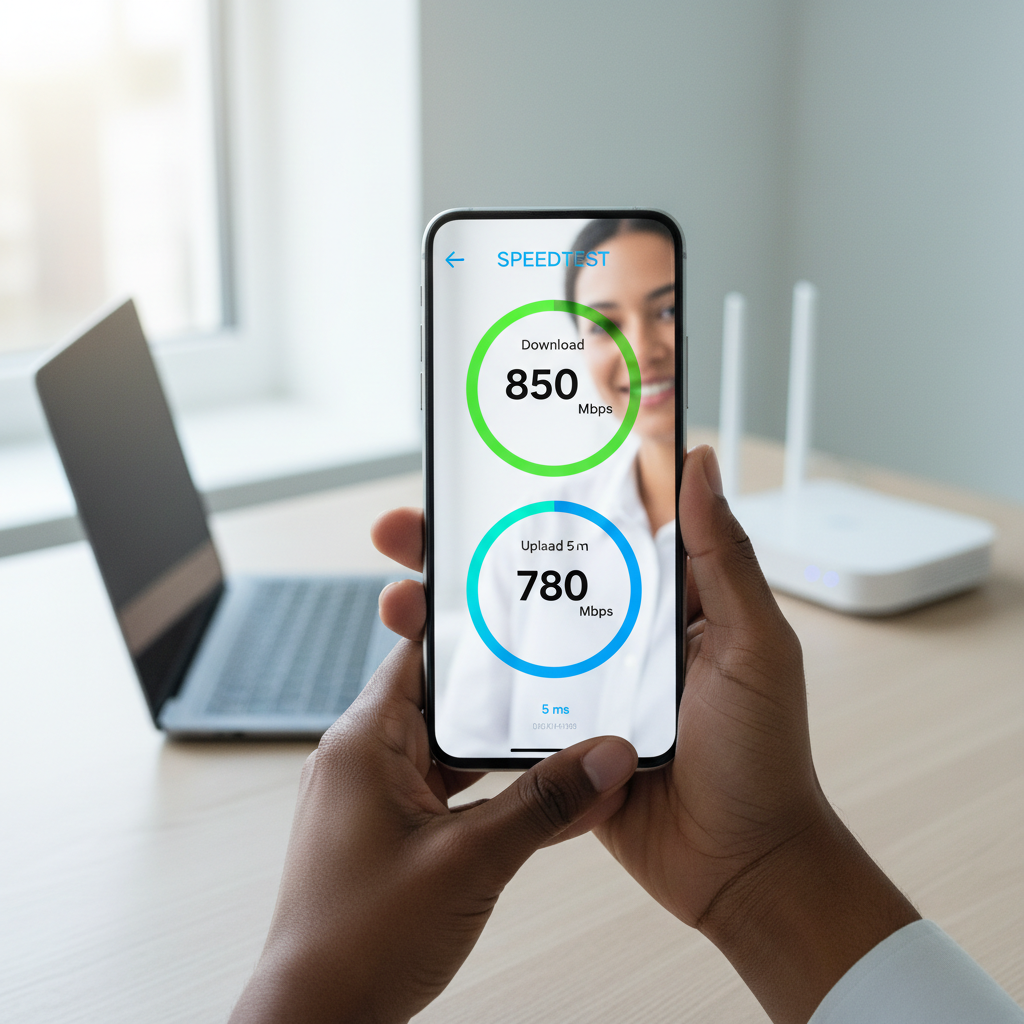
One of the most significant advantages of 5G over traditional networks like 4G is its remarkable speed. 5G networks can offer speeds up to 100 times faster than 4G, significantly reducing latency. This improvement is critical for applications that require real-time data processing, such as autonomous vehicles and virtual reality.
Capacity and Connectivity
5G networks are designed to support a massive number of devices simultaneously. This capability is essential in today’s connected world, where the Internet of Things (IoT) is becoming increasingly prevalent. In contrast, traditional networks often struggle with congestion, especially in densely populated areas.

The Impact of 5G in Spain
Economic Growth and Innovation
The implementation of 5G in Spain is expected to spur economic growth by enabling new business models and innovations. Sectors like healthcare, manufacturing, and entertainment are poised to benefit from faster data transfer and improved network reliability, potentially leading to the creation of new jobs and services.
Enhanced User Experience
For consumers, 5G means improved mobile experiences, with smoother streaming, faster downloads, and more reliable connections. This enhancement is especially beneficial in urban areas, where high network demand can impact performance.

Challenges and Considerations
Infrastructure and Investment
Deploying 5G across Spain requires significant investment in infrastructure. Building the necessary network towers and ensuring coverage, especially in rural areas, is a complex and costly endeavor. However, the long-term benefits are expected to outweigh these initial challenges.
Security and Privacy
As with any technological advancement, 5G brings concerns about security and privacy. The increased connectivity and data flow require robust measures to protect users and prevent cyber threats. Stakeholders must address these issues to ensure a secure transition.

Conclusion
The shift from traditional networks to 5G in Spain is a transformative process with far-reaching implications. While the benefits in terms of speed, connectivity, and economic impact are substantial, addressing the associated challenges is crucial. As 5G continues to roll out, its full potential will undoubtedly revolutionize various aspects of daily life and business operations in Spain.