
Common Misconceptions About Public Transport Connectivity


Understanding Public Transport Connectivity
Public transport systems are often surrounded by numerous misconceptions, leading to confusion among potential users. Understanding the true nature of public transport connectivity can enhance commuting experiences and promote more sustainable travel choices.
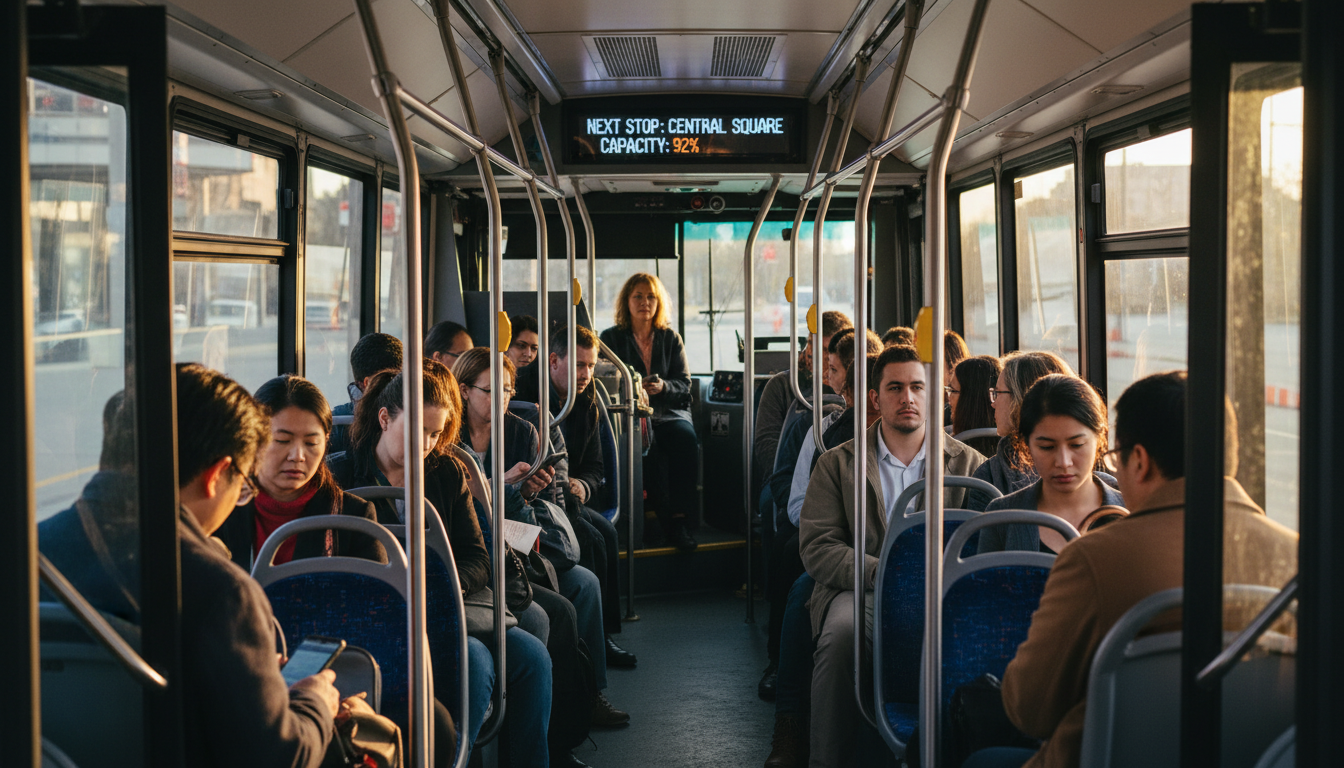
Misconception 1: Public Transport Is Always Inconvenient
Many people believe that public transport is inherently inconvenient. However, this is not always the case. Modern public transport systems are designed with efficiency in mind, offering various routes and schedules to accommodate different needs. In many cities, public transport can be a faster and more reliable option than driving, especially during peak hours.
Flexibility is a key feature of contemporary public transport. With the integration of technology, users can now plan their journeys in advance, track real-time arrivals, and even purchase tickets online, making the experience more user-friendly than ever before.
Misconception 2: Public Transport Lacks Coverage
A common belief is that public transport does not reach enough areas, leaving many without access. While this might have been true in the past, many cities have expanded their networks significantly. Today, buses, trains, and trams cover extensive areas, connecting suburbs, business districts, and residential zones efficiently.
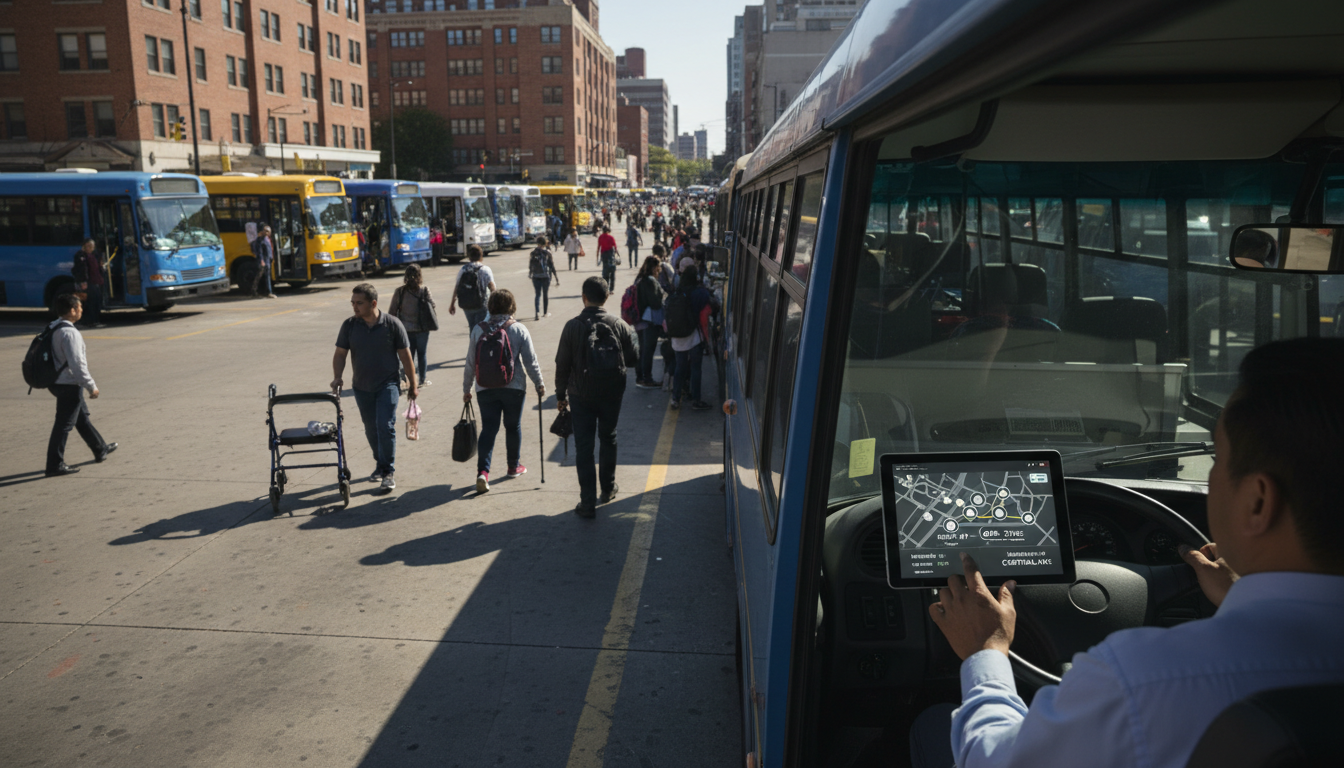
Moreover, initiatives like bike-sharing programs and park-and-ride facilities complement public transport, further extending its reach and making it a viable option for more people.
Misconception 3: Public Transport Is Unreliable
Reliability is often cited as a concern, with fears of delays and cancellations deterring potential users. However, many public transport systems have improved significantly, with investments in infrastructure and technology enhancing their reliability. Regular maintenance and upgrades ensure that transport services run smoothly and punctually.
Passengers can receive instant updates on service changes or disruptions through mobile apps and online platforms, allowing them to make informed decisions and minimize inconvenience.
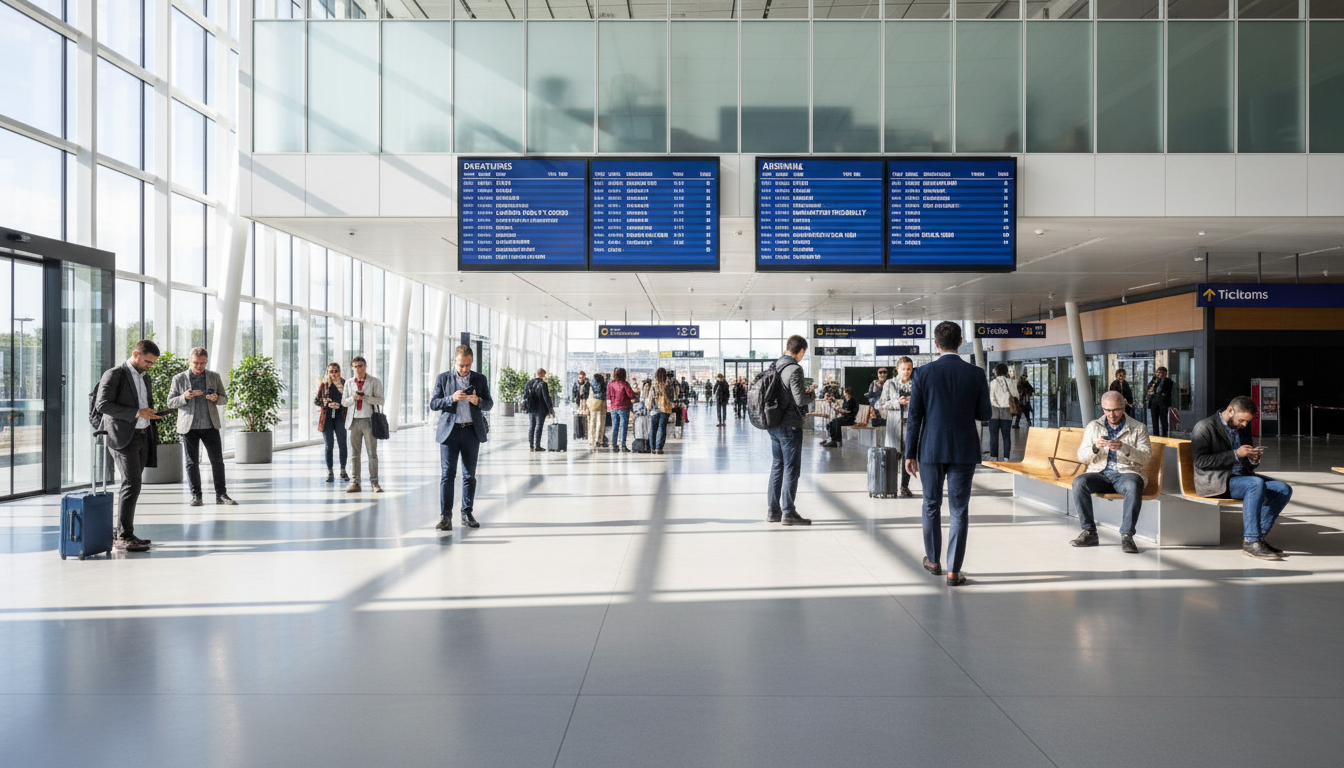
Misconception 4: Public Transport Is Unsafe
The perception of safety can be a significant barrier to using public transport. Yet, most public transport systems prioritize safety, implementing stringent measures to protect passengers. Security personnel, surveillance systems, and well-lit stations contribute to a safer environment for everyone.
Furthermore, public awareness campaigns and community policing initiatives have been effective in reducing crime rates and enhancing passenger confidence.
Conclusion: Embracing Public Transport
Understanding and debunking these misconceptions can lead to a more informed public and increased use of public transport. By recognizing its benefits—such as reduced environmental impact, cost savings, and convenience—more people can embrace public transport as a viable and efficient travel option.
As cities continue to innovate and expand their transport networks, the role of public transport in urban mobility will only grow stronger, offering a sustainable solution to modern commuting challenges.