
Debunking Common Myths About 5G Technology


The advent of 5G technology has sparked a flurry of discussions and debates, leading to the emergence of numerous myths and misconceptions. In this post, we'll explore some of these myths and reveal the truths behind them.
Myth 1: 5G Is Just a Faster Version of 4G
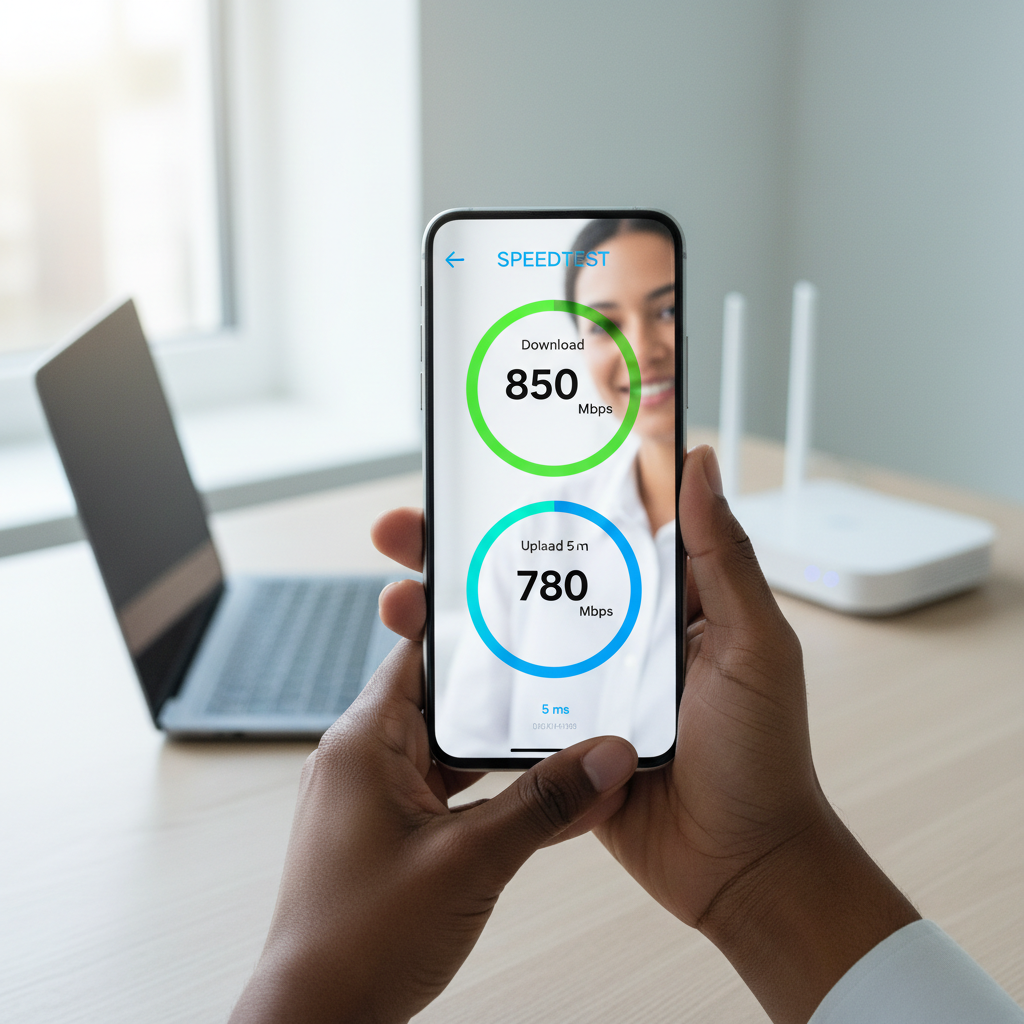
One of the most common misconceptions is that 5G is merely an upgraded version of 4G, offering only increased speed. While it's true that 5G provides faster data rates, its capabilities extend far beyond that. 5G technology supports ultra-reliable low-latency communication, massive device connectivity, and enhanced mobile broadband—all of which contribute to its transformative potential.
Myth 2: 5G Causes Health Problems
Concerns about the health effects of 5G have been circulating widely, with some believing that the technology poses serious health risks. However, numerous scientific studies and health organizations, including the World Health Organization, have stated that 5G is safe. The radio frequencies used by 5G fall within the non-ionizing range of the electromagnetic spectrum, which means they do not have enough energy to damage DNA or cause cellular changes.
It's essential to rely on scientific evidence and expert opinions rather than misinformation when evaluating the health implications of 5G technology.
Myth 3: 5G Only Benefits Urban Areas
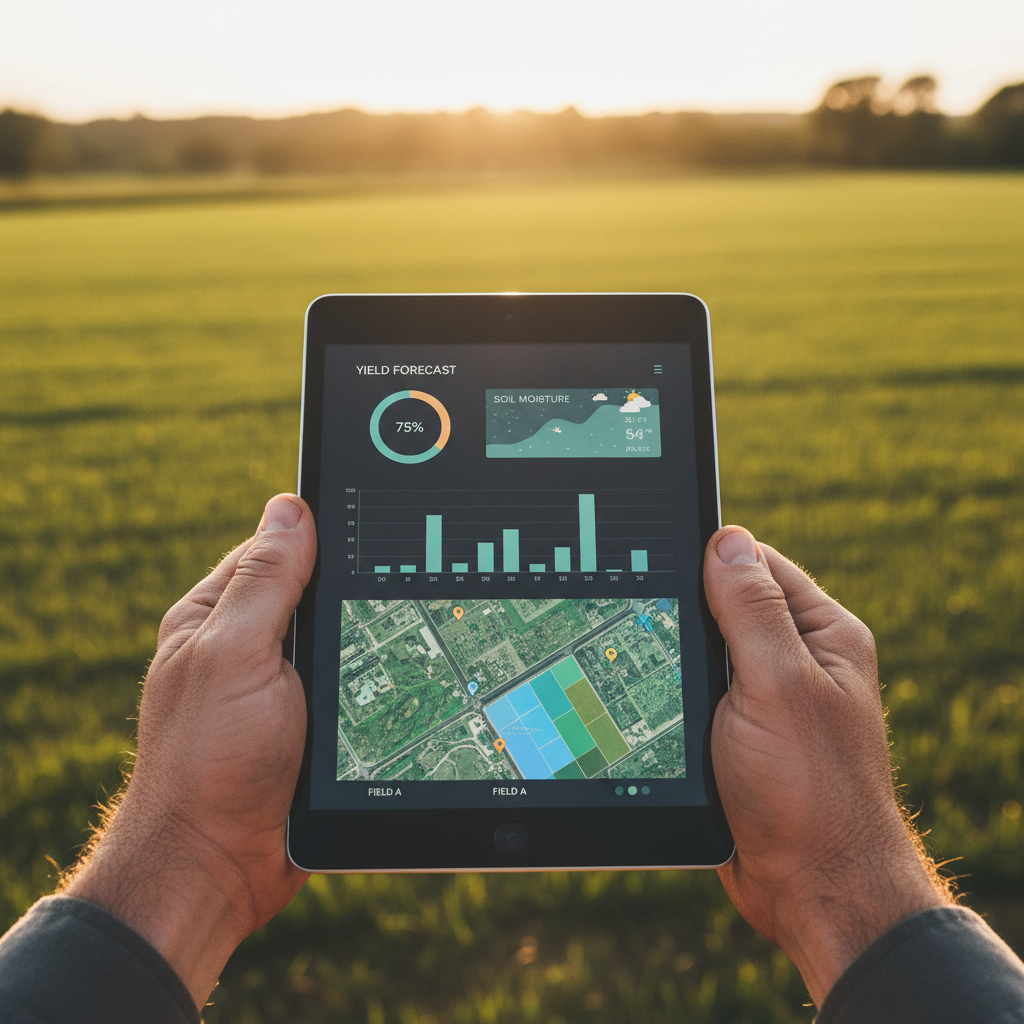
Another myth is that 5G will only bring advantages to densely populated urban areas. In reality, 5G has the potential to benefit rural areas significantly. By providing higher-speed internet and improved connectivity, 5G can bridge the digital divide, enabling remote education, telemedicine, and advanced agricultural technologies to thrive in rural regions.
Myth 4: 5G Is Only for Smartphones
While smartphones are a primary use case for 5G, the technology is not limited to mobile devices. 5G has applications across various industries, including automotive, healthcare, and manufacturing. For instance, in the automotive sector, 5G enables autonomous vehicles to communicate more effectively with their environment, enhancing safety and efficiency.
In healthcare, 5G supports telemedicine and remote surgeries, allowing doctors to perform complex procedures from afar with precision. The manufacturing sector benefits from 5G through the use of smart factories, which rely on seamless communication between machines and systems.
Myth 5: 5G Will Replace Wi-Fi
Some believe that 5G will render Wi-Fi obsolete, but this is far from the truth. Both technologies serve distinct purposes and will coexist to provide comprehensive connectivity. Wi-Fi is ideal for indoor environments and fixed locations, while 5G offers mobility and wide-area coverage. Together, they complement each other to deliver seamless connectivity experiences.
Understanding the true capabilities and applications of 5G is crucial as we continue to integrate this technology into our daily lives. By debunking these myths, we can appreciate the potential of 5G to transform industries, enhance connectivity, and improve our quality of life.