
From E-Paper to Real-Time Systems: Innovations in Telecom


Introduction to Telecom Innovations
The telecommunications industry has witnessed a remarkable transformation over the years. From the humble beginnings of e-paper, which revolutionized how we consume written content, to the real-time systems that drive today’s connectivity, the evolution has been nothing short of extraordinary. As demand for faster, more reliable communication grows, telecom innovations continue to push the boundaries of what's possible.

The E-Paper Revolution
E-paper technology marked a pivotal moment in telecom history. By enabling digital displays that mimic the appearance of ink on paper, e-paper became an essential tool for electronic readers and screens. Its low power consumption and visibility in direct sunlight made it highly practical for mobile devices.
As the technology matured, it laid the groundwork for more advanced displays, integrating seamlessly with mobile networks and enhancing user experience. This evolution set the stage for more dynamic and interactive communication platforms.
Advancements in Mobile Networks
The deployment of 3G and 4G networks brought about significant changes in how we communicate. These innovations allowed for faster data transmission, enabling video calls, streaming, and real-time data sharing. With the advent of 5G, the capabilities of mobile networks have expanded even further.

5G technology offers unprecedented speeds and lower latency, supporting a new wave of applications and services. From smart cities to autonomous vehicles, the potential of 5G is vast, driving further innovations in the telecom sector.
Real-Time Systems in Telecom
Real-time systems have become a cornerstone of modern telecommunications. These systems are crucial for applications that require immediate processing and response, such as online gaming and video conferencing. By optimizing data flow and minimizing delay, real-time systems ensure seamless communication.
The integration of artificial intelligence and machine learning has further enhanced real-time systems. By predicting network traffic and optimizing resources, AI-driven solutions improve efficiency and reliability, addressing the ever-growing demands of global connectivity.

The Internet of Things (IoT) and Telecom
The Internet of Things (IoT) represents another significant innovation in the telecom industry. With billions of devices connected worldwide, IoT relies on robust telecom infrastructure to function effectively. From smart home devices to industrial sensors, IoT applications depend on real-time data exchange and processing.
Telecom companies are investing heavily in IoT solutions, expanding their networks to accommodate the surge in connected devices. This trend is expected to continue, driving further advancements in network capabilities and connectivity options.
Future Outlook
As we look to the future, the telecom industry will continue to evolve, driven by technological advancements and consumer demands. Innovations such as quantum computing and satellite-based internet promise to redefine connectivity on a global scale.
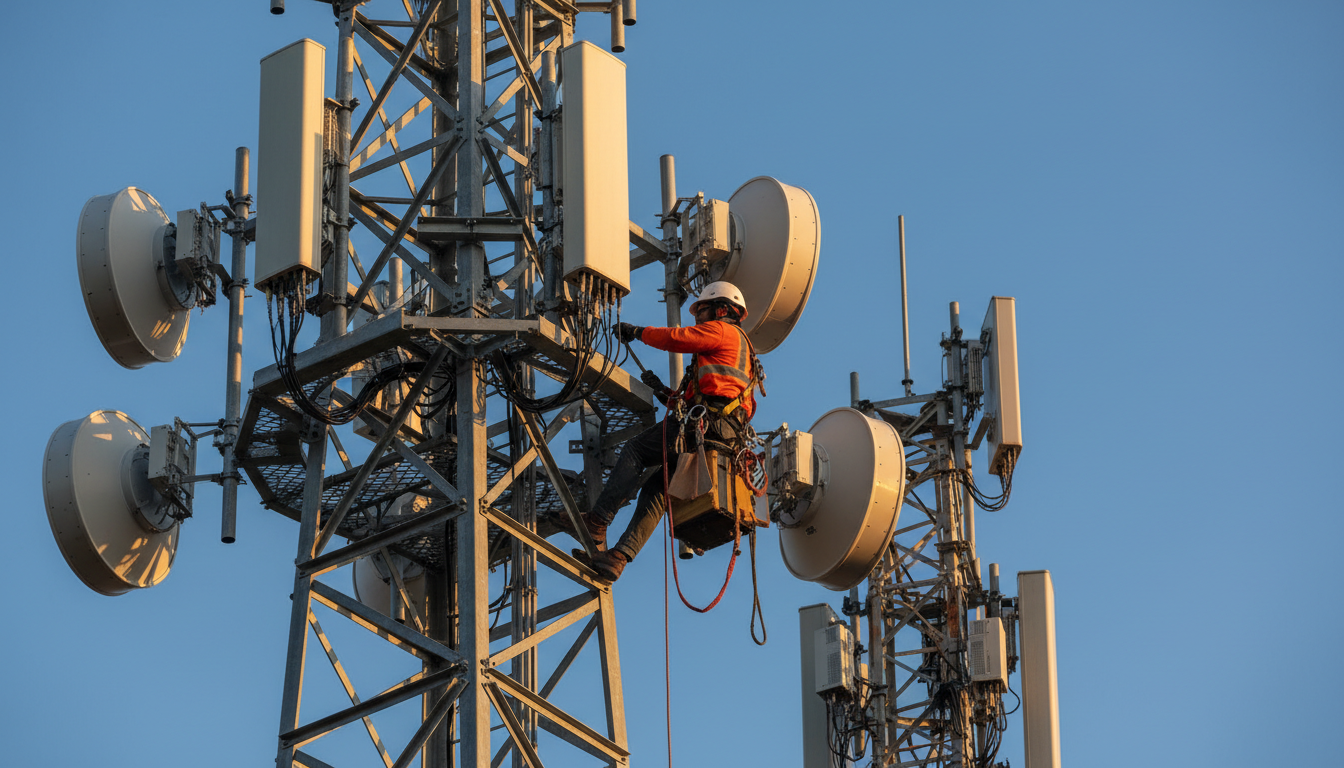
The journey from e-paper to real-time systems highlights the dynamic nature of the telecom industry. As new challenges and opportunities arise, continued investment in research and development will be essential to maintaining the momentum of innovation.