
Myth-Busting: Common Misconceptions About 5G Technology


Understanding 5G: Separating Fact from Fiction
As 5G technology rolls out worldwide, many misconceptions have emerged, creating confusion about its capabilities and impact. In this post, we'll debunk some common myths surrounding 5G, providing clarity and insight into this revolutionary technology.
Myth 1: 5G is Just a Faster 4G
One of the most prevalent myths is that 5G is merely an upgraded version of 4G. While 5G does offer faster speeds, it's not just about speed. 5G introduces ultra-low latency, enabling real-time communication, which is crucial for applications like autonomous vehicles and remote surgeries. Additionally, 5G supports a higher density of connected devices, paving the way for the Internet of Things (IoT).
Myth 2: 5G is Harmful to Health
Concerns about 5G's impact on health have been widespread, but scientific research has consistently shown that 5G is safe. The frequencies used by 5G are non-ionizing, meaning they lack the energy to damage DNA or cause cancer. Regulatory bodies, including the World Health Organization, have stated that the technology poses no significant health risk.

Myth 3: 5G Will Replace Wi-Fi
Another misconception is that 5G will render Wi-Fi obsolete. In reality, 5G and Wi-Fi are complementary technologies. Wi-Fi will continue to serve as the backbone for home and office networks, while 5G will provide enhanced connectivity for mobile devices and outdoor environments. Both technologies will coexist, each serving specific needs and use cases.
Myth 4: 5G is Only for Urban Areas
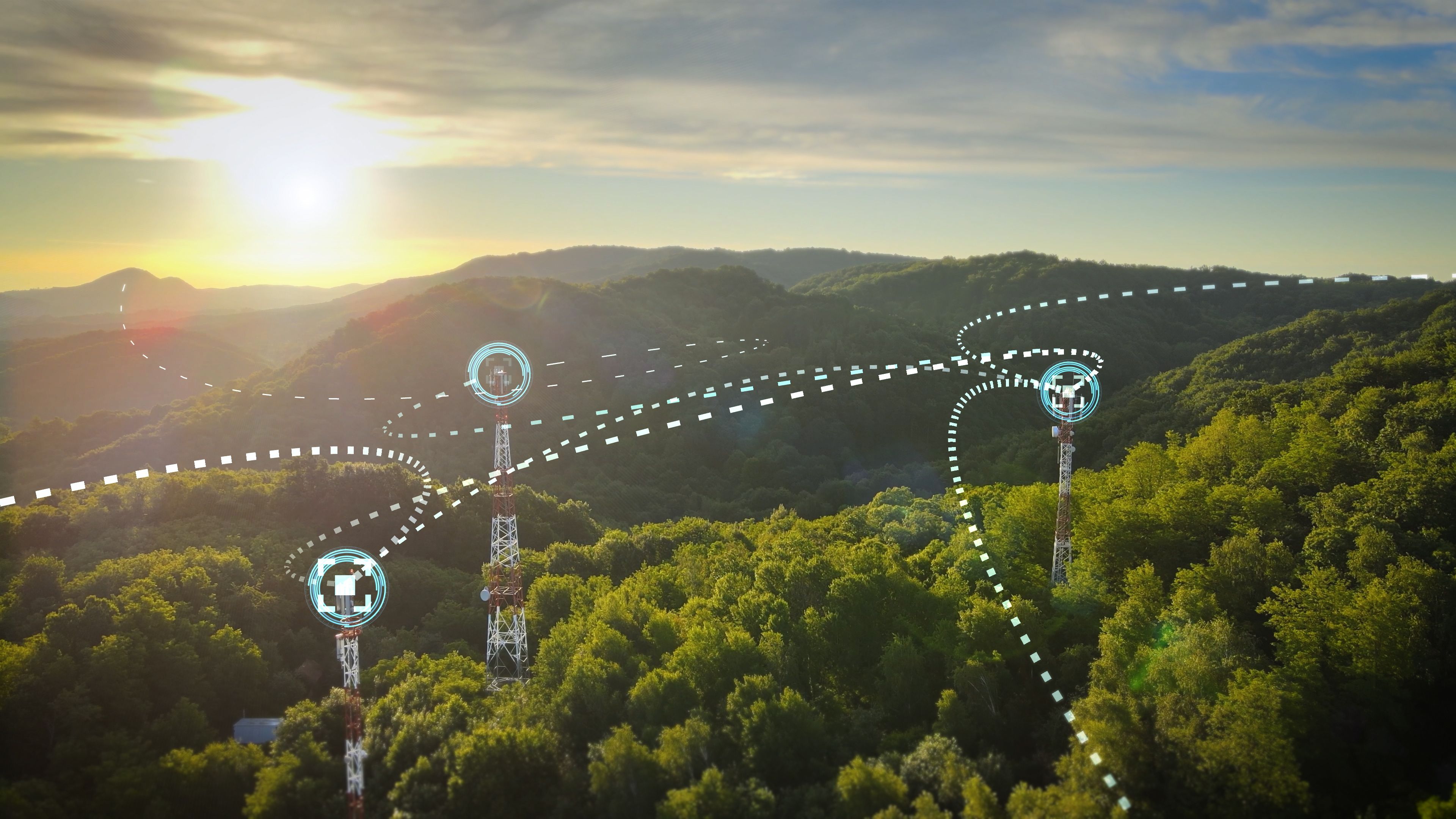
There's a belief that 5G will only benefit urban centers, leaving rural areas behind. However, the deployment of 5G includes a focus on expanding rural connectivity. With its ability to deliver high-speed internet to remote locations, 5G can help bridge the digital divide, providing access to education, healthcare, and economic opportunities.

Myth 5: 5G is Too Expensive for Consumers
Many consumers worry that 5G services will be prohibitively expensive. While initial rollout costs might be high, competition among telecom providers is expected to drive prices down over time. As the infrastructure becomes more widespread, consumers can anticipate affordable plans, much like what occurred with previous generations of mobile technology.
In conclusion, while 5G technology is surrounded by myths and misconceptions, understanding its true capabilities and impact can help us embrace its potential. By debunking these myths, we can look forward to a future where 5G transforms our digital landscape, enhancing the way we live, work, and connect.