
Understanding E-Paper Technology: A Comprehensive Guide


What is E-Paper Technology?
E-Paper technology, also known as electronic paper or e-ink, is a display technology designed to mimic the appearance of ordinary ink on paper. Unlike conventional displays that emit light, e-paper reflects ambient light, making it easier on the eyes and highly readable in direct sunlight. This unique feature has made e-paper a popular choice for e-readers, digital signage, and other applications where readability and power efficiency are key.

How Does E-Paper Work?
The core of e-paper technology is the microcapsule, which contains positively charged white particles and negatively charged black particles suspended in a clear fluid. When an electric field is applied, the particles move to the top or bottom of the capsule, creating a visible black or white pixel. This process requires minimal power, primarily when changing the display, making e-paper extremely energy-efficient.
Types of E-Paper Technology
There are several types of e-paper technologies, each with its unique characteristics:
- Electrophoretic Display (EPD): The most common type, used in e-readers like Kindle.
- Electrowetting: Used mainly for color displays.
- Cholesteric LCD: Known for its color capabilities without the need for a color filter.
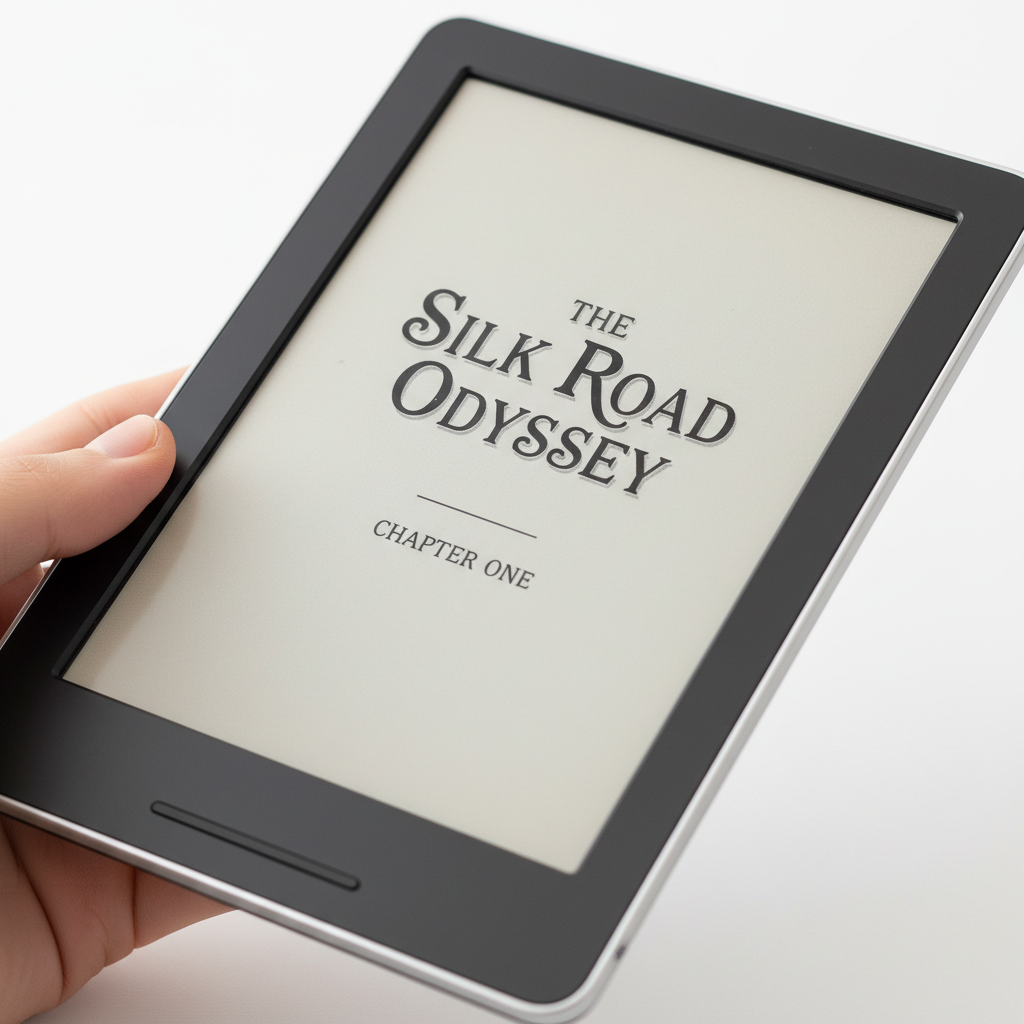
Applications of E-Paper Technology
E-Paper technology is versatile and is used in a variety of applications beyond e-readers. Its low power consumption and readability make it ideal for:
- Digital Signage: Used in retail for dynamic pricing labels and promotional displays.
- Smartwatches: For always-on displays that don’t drain the battery quickly.
- Public Transportation: Real-time schedule displays that are readable under any lighting condition.
Advantages of E-Paper
One of the most significant advantages of e-paper is its power efficiency. Since it only uses power when changing the display, devices can last for weeks on a single charge. Additionally, e-paper offers superior readability in bright environments compared to traditional screens, making it an excellent choice for outdoor use.

Challenges and Future of E-Paper
Despite its benefits, e-paper technology faces challenges, particularly in color reproduction and refresh rates. While advancements have been made, achieving vibrant colors and fast refresh rates comparable to LCDs and OLEDs is still an ongoing process. However, continuous research and development are paving the way for more robust and versatile e-paper solutions.
The future of e-paper looks promising as new applications and improvements continue to emerge. With ongoing innovations, e-paper could expand into more mainstream consumer electronics and industrial applications, further enhancing its role in the digital landscape.